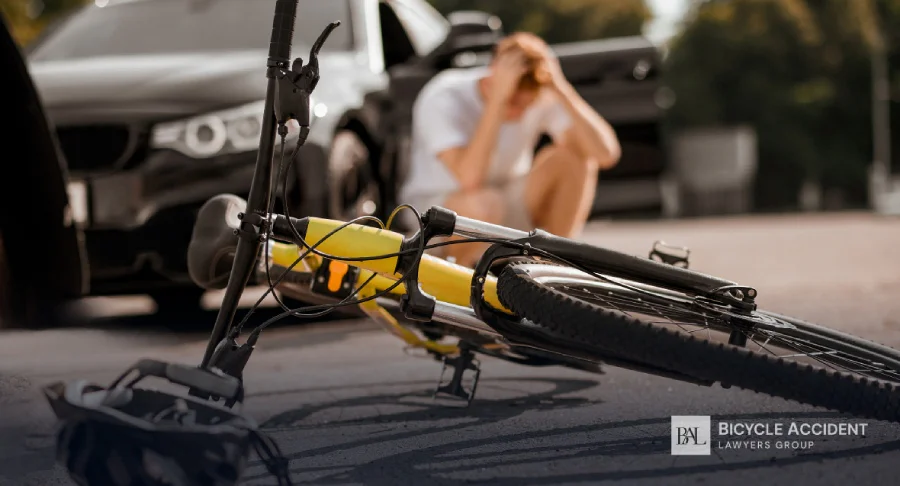
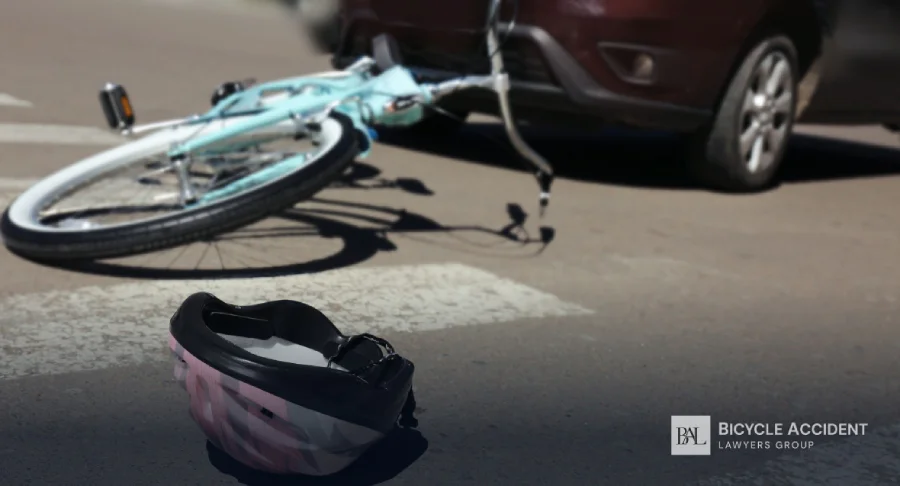
As of 2026, California bicycle accident settlements range from $10,000 for minor injuries to over $10 million for catastrophic cases. There is no reliable average settlement because outcomes depend on severity, fault allocation, and available insurance coverage. The median personal injury payout falls between $114,000 and $150,000, but bicycle injury cases vary widely. Whether you were hurt in a car accident on your bike or injured by poor road conditions, the primary constraint on recovery is the at-fault driver’s coverage. An experienced California bicycle accident lawyer can identify every source and maximize what you receive.
[table_of_content}
Key Takeaways
- Partly at fault? You still have a case. The pure comparative negligence rule reduces your payout by your share of fault but does not bar it.
- Average settlement amounts span $10,000 to $10 million. Minor injuries (road rash, simple fractures) settle for $10,000 to $40,000. Catastrophic injuries exceed $10 million.
- You have 2 years to file. The statute of limitations for a personal injury claim is 2 years from the accident date (CCP § 335.1). If a government entity is involved, the deadline is 6 months (Gov. Code §810-996).
- The Three-Foot Law triggers automatic liability. If a driver violates CVC 21760 while passing a cyclist in a bike lane, negligence per se applies without additional proof.
- Documented evidence counters fault arguments. Police reports, camera footage, witness statements, and medical records prevent insurance companies from shifting blame.
- Insurance limits cap what you can collect. Minimum liability coverage is $30,000 per person. With 17% of drivers uninsured, carrying UIM coverage on your own auto policy is the most important step a cyclist can take before a crash.
- Represented claimants recover more. A personal injury lawyer calculates future losses, identifies all available insurance, and counters arguments that reduce payouts. Surgical cases produce results 3.5 times higher with legal representation.
Settlement Ranges by Injury Severity
These ranges are estimates from multiple attorney analyses, not verified databases. Every case is different, and average settlement amounts depend on the specific circumstances and factors described in this article.
|
Severity Level |
Settlement range |
Typical injuries |
|
Minor |
$10,000 – $40,000 |
Road rash, minor sprains, simple fractures, lacerations, soft tissue tears |
|
Moderate |
$50,000 – $300,000 |
Complex fractures, herniated discs, ligament tears, moderate concussions |
|
Disfigurement |
$75,000 – $500,000+ |
Facial scarring, dental damage, jaw reconstruction, permanent visible disfigurement |
|
Moderate TBI |
$50,000 – $200,000 |
Concussion requiring medical attention, post-concussion syndrome, short-term cognitive impairment |
|
Severe TBI |
$500,000 – $5,000,000+ |
Permanent cognitive impairment, personality changes, long-term care needs |
|
Spinal cord |
$1,000,000 – $10,000,000+ |
Paralysis (partial or complete), permanent mobility loss, lifelong care needs |
|
Catastrophic |
$1,000,000 – $10,000,000+ |
Amputation, severe burns, multiple organ damage, internal injuries, permanent impairment |
|
Wrongful death |
$1,000,000 – $30,000,000+ |
Fatal bicycle accidents involving wrongful death |
Most bicycle accident claims involve moderate injuries and resolve between $50,000 and $200,000. Disputed liability or minimal documentation pushes settlements lower.
88% of fatal bike accidents occur on urban roads, which is why settlements in Los Angeles, San Francisco, San Diego, and the Bay Area exceed national averages. E-bike bicycle injuries are growing: CHOC reported a 1,557% increase from 2019 to 2024. California imposes no caps on personal injury claims. Bicycle accident injuries range from road rash to spinal cord injuries and traumatic brain injuries.
Not stored
How Are Bicycle Accident Settlements Calculated?
A settlement reflects compensatory damages (economic and non-economic) and, rarely, punitive damages.
Economic Damages
Economic damages cover medical bills, lost earnings, and financial harm from the crash. These include medical expenses, lost income, reduced earning capacity, and property damage:
- Emergency room and hospital bills.
- Ongoing prescriptions and medical treatment.
- Future surgeries and rehabilitation.
- Physical and occupational therapy.
- Missed earnings during the healing period.
- Lost earning capacity over a lifetime.
- Bicycle repair or replacement.
- Home modifications for disability.
- Transportation to appointments.
Non-Economic Damages
Non-economic damages cover the impact of the bicycle injury on quality of life. These cannot be confirmed by receipts but are recoverable:
- Physical pain and suffering.
- Emotional distress and PTSD.
- Fear of cycling and loss of enjoyment of life.
- Loss of consortium.
Two calculation methods are standard:
- Multiplier method. Economic damages are multiplied by 1.5 to 5, depending on the extent of harm. Example: $50,000 x 3 = $150,000 in pain and suffering.
- Per diem method. A daily rate covers each day the victim suffered. Example: $200/day for 365 days = $73,000 for one year of suffering.
Punitive Damages
Punitive damages apply in hit-and-run, DUI, road rage, or other intentional misconduct cases (Civil Code §3294). These awards can substantially increase the total payout and carry no statutory cap.
Main Factors That Affect Your Bicycle Accident Payout
Several factors influence the value of a bicycle accident settlement, including the severity of the injuries, available insurance coverage, liability evidence, and the long-term financial impact of the crash. Insurance companies evaluate every part of the claim when determining how much compensation they are willing to pay.
Severity and Its Role
Bicycle accident cases involving surgery produce significantly higher amounts than non-surgical accident claims, averaging 3.5 times higher per the Insurance Research Council. A $30,000 bill from fracture surgery after a bicycle accident is valued differently by insurance adjusters than $30,000 in therapy for soft tissue injuries. The extent of bicycle accident injuries plays a central role in determining what individuals can expect.
Liability and Evidence
California law recognizes negligence per se. If a driver violated a traffic rule (running a red light, unsafe passing, ignoring a yield sign) and that violation caused the accident, the driver is presumed at fault. Proving injuries liability requires evidence: a police report, witness statements, camera footage, and reconstruction. Liable parties depending on the circumstances may include the driver, a government entity responsible for road conditions, or a vehicle manufacturer.
Comparative Fault and Percentage of Responsibility
If you contributed to the accident, the claim is reduced by the cyclist’s percentage of fault but not eliminated. An experienced attorney can counter adjusters’ arguments and protect your right to recover compensation.
Past and Future Medical Costs
Future expenses, lost income, and ongoing needs are recoverable. If serious injuries require lifelong attention, the cost should be covered by those responsible.
Avoid gaps in treatment. If you stop seeing your doctor for weeks, the insurer will argue the interruption proves your injuries were not serious. Consistent documentation from the accident date through MMI is one of the strongest factors supporting case value.
Loss of Income and Earning Capacity
Lost wages from missed work are recoverable. If the ability to perform the same work decreases, lost earning capacity is included. Self-employed victims must provide tax returns, contracts, and invoices.
Coverage and Policy Limits
Available insurance coverage determines the ceiling on your case. Bike accidents involving commercial vehicles carry $750,000 to $5 million. Rideshare vehicles (Uber, Lyft) or delivery drivers introduce additional layers that increase available compensation.
Preexisting Conditions
A preexisting condition does not bar full compensation. The eggshell plaintiff rule holds the defendant responsible for the victim as found. If the incident worsens a prior bicycle injury, the at-fault party covers the harm.
How Adjusters Calculate Your Case
Adjusters use internal software that weights harm, duration, surgery involvement, and regional verdict data. The first offer reflects the floor, not the ceiling, which is why accepting it means receiving less than deserved. An experienced personal injury lawyer who knows local verdict patterns can identify when a figure is artificially low.
How Does California Law Protect Injured Cyclists?
California law gives injured cyclists significant legal protections after a crash, particularly in cases involving negligent drivers, unsafe passing, dooring incidents, and roadway violations. Understanding how comparative fault, filing deadlines, and state bicycle laws apply can directly affect the amount of compensation recovered.
Pure Comparative Fault
California’s pure comparative negligence system, also called comparative fault (Civil Code §1714), allows recovery even when the cyclist is partly to blame. If total losses equal $100,000 and the cyclist is 30% at fault for not using lights at dusk, recovery is $70,000.
Common comparative reductions against cyclists: not wearing a helmet (not legally required for adults), riding without lights at night, running a stop sign or red light, wearing headphones, riding against traffic, and poor bicycle maintenance. Adjusters argue these behaviors increase the cyclist’s share, even when the driver caused the crash.
Statute of Limitations and Filing Deadlines
The deadline for filing a bicycle accident claim is two years from the collision date (CCP § 335.1). Three exceptions apply, and missing deadlines bars recovery permanently:
- Delayed discovery. If a traumatic brain injury was not detected at the scene, the two-year countdown starts from the day it was discovered.
- Minors. If the incident involved a minor, the deadline is suspended until the minor turns 18.
- Government entity. If a city, county, or California government agency is involved, file a government tort claim within 6 months (Gov. Code §911.2). Government entities follow strict rules, and the lawsuit must be filed within 6 months after denial (Gov. Code §945.6).
Bicycle Laws That Strengthen Your Position
- CVC 21200: Cyclists have the same rights and duties as motor vehicle drivers on every road and bike lane.
- CVC 21202: Riders should stay as far right as practicable, meaning the positioning does not endanger the cyclist. This rule applies with or without a designated bike lane.
- CVC 21760 (Three-Foot Law): Drivers must give cyclists a minimum 3-foot buffer when overtaking in a bike lane or travel lane. Violation automatically establishes California liability.
- CVC 22517 (Dooring): No person may open a vehicle door on the traffic side unless safe. Dooring is common where bike lanes run alongside parked vehicles, and bike lane dooring is a frequent factor in urban bicycle accidents.
Coverage Limits
California does not cap personal injury damages (non-economic caps apply only to malpractice under MICRA). However, insurance limits and policy limits constrain what you can collect. Minimum bodily coverage is $30,000 per person and $60,000 per crash (doubled January 1, 2025 under SB 1107). About 17% of drivers are uninsured. Carrying UIM coverage fills the gap, and understanding available insurance coverage is a critical part of the process.
The Process From Investigation to Resolution
- Investigation. Your personal injury lawyer reviews police reports, interviews witnesses, and requests camera footage before evidence is overwritten. Reconstruction experts identify factors that establish fault.
- Medical treatment and MMI. The process does not begin until you reach MMI, when your condition stabilizes. Settling before MMI risks undercompensation because future cost projections cannot yet be calculated.
- Demand letter. Your attorney sends a demand letter to the insurance company. The insurer typically responds within 30 to 45 days.
- Negotiation. The insurer’s response will include a counteroffer. Both sides exchange offers until agreement. If negotiation stalls, the case may proceed to mediation.
- Filing a lawsuit. If dispute resolution fails, your attorney files a lawsuit, triggering discovery: depositions, document requests, and expert disclosures. Fees typically increase from 33% to 40% at most firms (BALG maintains 33%).
- Resolution and disbursement. About 5% of claims proceed to trial. Most bicycle accident settlements are paid as a lump sum. Your attorney completes lien resolution, deducts fees, and disburses the net amount. If the insurer rejected a fair offer, that may constitute bad faith and result in greater recovery at trial.
Settlement Timeline
|
Case type |
Timeline |
Key factors |
|
Minor injuries, clear liability |
3 – 6 months |
Quick medical healing, fewer complicating factors |
|
Moderate injuries |
6 – 12 months |
Surgery or physical therapy, negotiation period |
|
Severe injuries, disputed liability |
1 – 2 years |
Ongoing needs, blame contested |
|
Catastrophic, litigation |
2 – 3+ years |
Complex proceedings, expert testimony |
Real Examples of Bicycle Accident Settlements
California bicycle accident cases involving traumatic brain injuries, spinal cord injuries, permanent disability, or government negligence often result in higher compensation, especially when experienced legal counsel can prove the danger was preventable.
$10,200,000 Verdict: Tandem Bicycle (Folsom)
A couple on a tandem bicycle on the American River Bike Trail was struck by a pedestrian, causing traumatic injuries. A 3-week jury trial produced a $10.2 million verdict, the largest reported bicycle accident verdict in Northern California.
$7,000,000 Settlement: Pothole (Oakland)
A cyclist struck a pothole on Skyline Boulevard, sustaining severe injuries from dangerous road conditions. The attorney uncovered city records showing the defect was never repaired, establishing fault against the California government agency.
Documentation That Supports Your Claim
- Request your police report from the responding agency within 10 days.
- Request traffic camera, dashcam, and surveillance footage immediately. Footage is deleted on a schedule.
- Do not repair your bicycle. Physical evidence of the accident force supports your case.
- Save receipts covering medical expenses, lost wages, and all out-of-pocket costs.
- Ask your employer for written verification of missed work and missed earnings.
- Keep a daily journal describing your physical condition and how your injuries affect daily life.
- Avoid social media. Any post can be used by the insurer to argue your injuries are less severe.
- Do not give recorded statements to opposing insurers without an attorney present.
What Cyclists Should Expect: Fees and Net Recovery
Bicycle Accident Lawyers Group charges a 33% contingency fee. You pay nothing upfront unless we recover compensation for our clients. This is lower than many firms, where fees escalate:
|
Stage |
Industry standard |
BALG fee |
|
Settled before filing a lawsuit |
33.3% (one-third) |
33% |
|
Settled after lawsuit is filed |
40% |
33% |
|
Resolved at trial |
45–50% |
33% |
Filing fees, expert witnesses, and medical records are advanced by the firm. At our 33% fee, a $100,000 result means roughly $62,000 to $67,000 to the client, versus $55,000 to $60,000 at the industry-standard escalating rate. Unlike hourly-rate attorneys, contingency-fee lawyers share your incentive to maximize compensation. California law requires fee agreements in writing (Business and Professions Code §6147).
Protect Your Case: Contact Us for a Free Consultation
If you were injured in a bicycle accident, an experienced bicycle accident lawyer can negotiate your case, gather evidence, and calculate full losses including medical expenses, lost wages, pain and suffering, lost income, and future costs. Seeking guidance from a California personal injury lawyer with experience in California personal injury cases is the most effective way for injured individuals to pursue maximum compensation for a bicycle injury claim.
Bicycle Accident Lawyers Group is a California bicycle accident firm handling bicycle, e-bike, and e-scooter bicycle accidents exclusively throughout the state, backed by over $1 billion recovered for bicycle accident victims throughout the nation. Our California personal injury attorneys have the experience to handle every stage.
Call 888-521-6377 for a free consultation. Zero upfront fees unless we win. Contact us to get started.
If you’re a cyclist who has been in an accident, call today for a free initial consult about your legal claim. We’re here to help with your legal questions. Contact our law firm for coast-to-coast bike accident and personal injury representation.

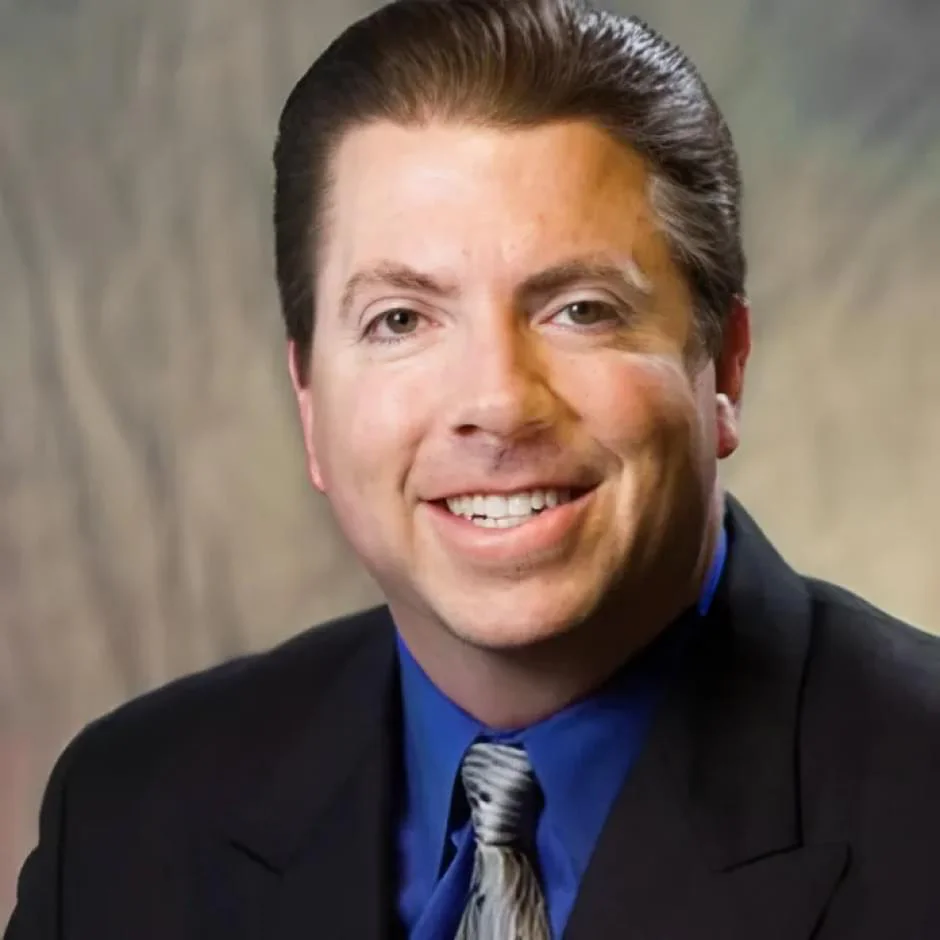
Since his academic days at the UC Berkeley School of Law, Robert Goldwater has remained a committed advocate for victims of other people’s negligence. His tort law background, together with his unquenchable thirst for justice, helped young Robert found a now-successful law firm – Bicycle Accident Lawyers Group, gathering same-minded and promising attorneys from all over the country.