

You cannot face a DWI charge on a pedal bicycle in New York regardless of how impaired you are, though the stop can still end with a charge on your record**. VTL 1192 criminalizes the operation of a “motor vehicle” while intoxicated or impaired by the use of alcohol or drugs, and the statute as written uses that phrase rather than “vehicle” alone.
VTL 125 supplies that definition, and calls a motor vehicle “every vehicle operated or driven upon a public highway which is propelled by any power other than muscular power.” The statute carves out its own exceptions, and exception (e) has to name “bicycles with electric assist” specifically to keep a partly-motorized bike out of that definition.
A pedal bicycle, a skateboard, and a non-motorized scooter never needed the carve-out, because none of them runs on anything but muscular power. Riding one after drinking is not illegal by itself in New York. However, it is not consequence-free, because an officer can still stop you and write a charge. The charges that do apply are covered below.
What Can You Be Charged With Instead?
Three offenses can reach an impaired cyclist in New York City, and each one asks a prosecutor to prove more than drunkenness. The charge most often named alongside them does not exist here at all.
- Disorderly conduct (PL 240.20) is a violation. A prosecutor has to show intent to cause public inconvenience, annoyance or alarm, or reckless creation of that risk, which covers obstructing traffic or creating a hazardous condition.
- Reckless endangerment in the second degree (PL 120.20) is a class A misdemeanor. The conduct has to create a substantial risk of serious physical injury to another person, which is a materially higher bar than riding while drunk.
- Drug intoxication in public (PL 240.40) is a violation. Appearing in a public place on narcotics or a drug other than alcohol is an offense where it may endanger you or others or annoy people nearby.
- Public intoxication is not a charge in New York. The Penal Law writes no offense for being drunk in public, and Mental Hygiene Law 22.09 sends someone incapacitated by alcohol to emergency services instead of a courtroom.
A Penal Law charge produces a criminal summons and a court appearance on a criminal docket, which is why the body of law behind it changes how you defend it. Most VTL violations produce a that stays in the traffic system. However, the e-bike law’s criminal tiers reach that same criminal docket.
A criminal summons requires you to appear in court on the date printed on it, and failing to appear can result in a bench warrant. In the bicycle summons cases we have handled, these charges are typically arraigned in the borough’s Criminal Court, and the first appearance reads the charge, then adjourns the case rather than resolving it that day. A criminal defense lawyer can often appear on your behalf and carry the case through any plea or hearing.
New Jersey drunk-driving law covers any “vehicle,” not just motor vehicles, so crossing that state line on the same bicycle exposes you to the same charge as a driver.
Can You Get a DWI on an Electric Bike in New York?
You do not face a DWI on an e-bike either, but VTL 1242-a creates a parallel offense for operating a “bicycle with electric assist” while impaired. That law splits into two penalty ladders, and which one you land on depends on whether you were impaired or intoxicated. Neither can be charged unless you crashed.
The Two Penalty Ladders
Impairment by alcohol alone is the lighter ladder, and it stays an infraction until a third conviction.
| Offense | Classification | Penalty (VTL 1242-a) |
| First | Traffic infraction | Fine up to $300, or up to 15 days in jail, or both |
| Second within 5 years | Traffic infraction | Fine up to $750, or up to 30 days, or both |
| Third within 10 years | Misdemeanor | Fine up to $1,000, or up to 180 days, or both |
Intoxication, a blood-alcohol reading at or above the legal limit, drug impairment, or the combined influence of alcohol and drugs puts you on the harder ladder. On that one the first offense is already a crime.
| Offense | Classification | Penalty (VTL 1242-a) |
| First | Misdemeanor | Fine up to $500, or up to 1 year in jail, or both |
| Second within 10 years | Class E felony | Fine up to $1,000, or imprisonment as the Penal Law provides, or both |
| Third within 10 years | Class E felony | Fine up to $4,000, or imprisonment as the Penal Law provides, or both |
The 0.08% threshold is the same one VTL 1192 sets for motor-vehicle DWI. What changes is which law applies and what you were riding, not how impairment is measured.
When This Law Can Actually Be Used
Everything above is unenforceable until there is a crash. Subdivision 9 of states that “no part of this section may be enforced unless in conjunction with a crash involving an operator of a bicycle with electric assist.” It defines a crash as colliding with a vehicle, a person, a building, or another object. An officer who watches you ride an e-bike badly, with no collision behind it, has no VTL 1242-a charge to bring, whatever that officer suspects.
New York State classifies e-bikes, each equipped with an electric motor, into (Class 1 pedal-assist at 20 mph, Class 2 throttle-assist at 20 mph, Class 3 pedal-assist at 25 mph). VTL 1242-a covers all three under the same rules, across public highways, private roads open to motor vehicle traffic, parking lots, and sidewalks. It stops at the property line of a one or two-family residence.
VTL 1192(1), the lower DWAI impairment standard, reaches motor vehicles only, so it never reaches you on an e-bike. Ride an e-bike home from a bar without hitting anything, and VTL 1242-a has nothing to charge you with.
What Happens If You Get Stopped on a Bicycle After Drinking
A police officer who sees erratic biking can stop you, ask for a field sobriety test, and write you a citation whether or not your bicycle has a motor. The sequence runs the same on a pedal bike and an e-bike, and only step 4 changes, because a chemical test needs a crash behind it.
- The stop. A police officer doesn’t need to suspect a DWI to pull you over. Weaving, running a red light, or riding without a front light after dark each give independent grounds. Once stopped, the officer can read the signs of intoxication and decide whether to investigate further, including an arrest.
- Field sobriety testing. Officers can ask you to perform a field sobriety test. These tests are voluntary. You are not required to step off the bicycle and walk a line or track a pen with your eyes, and declining a field test is not the same as refusing a chemical test. No automatic penalty attaches to saying no.
- The breathalyzer question. New York’s implied-consent rule applies to operators of motor vehicles. A pedal bicycle is not one, so the automatic license suspension for refusing a breath test does not reach you. An electric bike gets the same answer for the same reason, because VTL 125 excludes bicycles with electric assist from the motor-vehicle definition by name.
- Chemical testing. VTL 1242-a opens its testing provisions only after a crash, because no part of that law can be enforced otherwise. Where a collision has happened, the law says you shall submit to a breath test at an officer’s request. A positive result opens a chemical test of blood, urine, or saliva within two hours of arrest. Courts admit that result against you, and no penalty for refusing appears anywhere in the section, because an e-bike rider holds no license for the state to suspend.
- What you walk away with. The document an officer hands you could be a traffic ticket, a criminal summons, or a desk appearance ticket. Each one puts you on a different track.
Has New York Ever Tried to Ban Drunk Cycling?
New York State lawmakers have introduced legislation to close this DWI gap in the state’s laws at least three times, and none of the three bills has made it out of committee.
Senator Simcha Felder introduced S4141 in the 2021-2022 session, proposing to add pedal bicycles to VTL 1242-a alongside e-bikes. It would have made operating any bicycle under the influence a chargeable offense with the same three-tier punishment structure, and it did not advance.
Felder reintroduced the same proposal as S1374 in the 2023-2024 session. It was referred to the Transportation Committee and received no vote.
The third attempt, S2530, was introduced in the 2025-2026 session. It was recommitted on 27 May 2025 with its enacting clause stricken, a procedural signal that the chamber has no intention of passing it in its current form.
Three sessions, three bills, none advanced. If you are stopped on a pedal bicycle today, no pending DWI legislation would change what you can be charged with in your case.
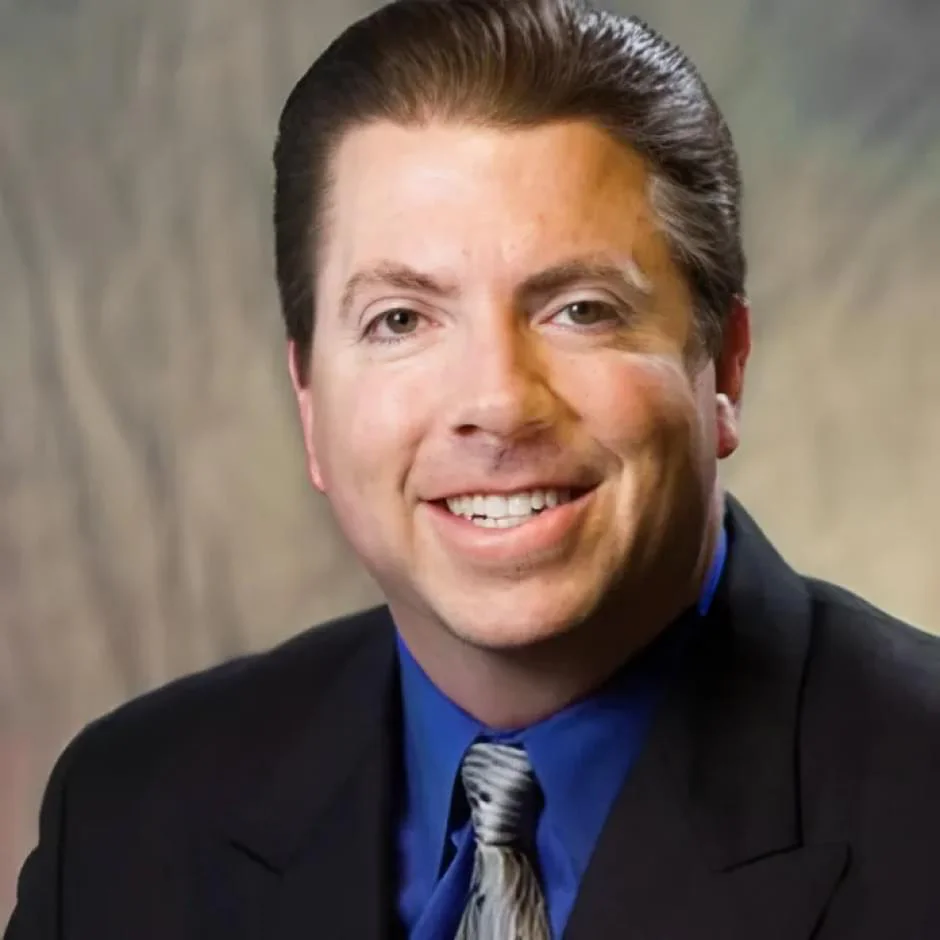
Robert Goldwater is a cyclist representing cyclists. He has practiced personal injury and wrongful death law for more than 20 years, graduating with Honors from Arizona State University Law School, and has helped recover over $1 billion for clients, including injured cyclists.