New York State calls a DUI a DWI, and you can’t get one for riding a pedal bicycle under the influence because its DWI rules apply only to motor vehicles. E-bikes don’t trigger a DWI either, though a separate statute can still bring criminal penalties after a crash.
Can You Get a DWI on a Pedal Bicycle in New York?
You cannot face a DWI charge on a regular bike (a pedal bicycle) in New York, however intoxicated you are. The state splits what most states call a DUI into driving while intoxicated (DWI) and the lesser offense of driving while ability impaired (DWAI).
New York State’s DWI rules prohibit only the operation of a “motor vehicle,” which the Vehicle and Traffic Law defines as one “propelled by any power other than muscular power,” so a bicycle doesn’t fit that definition. Other states take a different approach to DUI on a bicycle. A DWI attorney focuses on this specific legal problem.
Can You Get a DWI on an Electric Bike in New York?
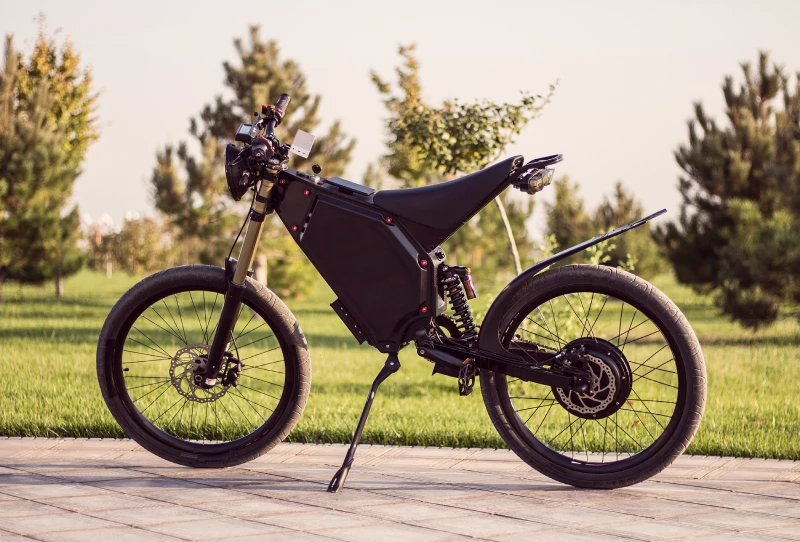
You won’t get a DWI on an electric bike because the same definition excludes bicycles with electric assist, the legal term for e-bikes. But if you ride one while impaired, intoxicated, or both, Vehicle and Traffic Law § 1242-a sets two penalty ladders. Electric scooter riders face the same penalties under Article 34-D, § 1289.
The Two Penalty Ladders
Impairment by drinking alone puts you on the lighter ladder, which doesn’t become a crime until a third conviction. Under this rule, a blood alcohol concentration (BAC) of at least 0.07% but below 0.08% is prima facie evidence that your ability to ride was impaired.
|
Offense |
Classification |
Penalty |
|
First |
Traffic infraction |
Fine up to $300, or up to 15 days in jail, or both |
|
Second, if the first was within 5 years |
Traffic infraction |
Fine up to $750, or up to 30 days, or both |
|
Third, if both earlier ones were within 10 years |
Misdemeanor |
Fine up to $1,000, or up to 180 days, or both |
A BAC of 0.08% or higher, an intoxicated condition, drug impairment, or the combined influence of alcohol and drugs puts you on the harder ladder, where the legal consequences include a criminal record from the first conviction.
|
Offense |
Classification |
Penalty |
|
First |
Misdemeanor |
Fine up to $500, or up to 1 year in jail, or both |
|
Second within 10 years |
Class E felony |
Fine up to $1,000, or imprisonment as the Penal Law provides, or both |
|
Third within 10 years |
Class E felony |
Fine up to $4,000, or imprisonment as the Penal Law provides, or both |
When This Statute Can Actually Be Used
No part of § 1242-a can be enforced unless the rider is involved in a crash, meaning a collision with a vehicle, person, building, or other object. Its provisions cover any public or private road open to traffic, sidewalks, and any parking lot with space for four or more vehicles.
It reaches all three classes of bicycles with electric assist: class 1 pedal-assist versions like the Citi Bike’s, class 2 throttle versions, whose assistance ends at 20 mph, and the 25 mph class 3 versions you can ride only in New York City.
Note: NYC has a speed limit of 15 mph for all e-bikes. Learn more about New York City bicycle laws.
The statute covers only a machine that fits the legal definition: no more than 36 inches wide, with operable pedals and an electric motor under 750 watts. A motorized bicycle that exceeds those limits usually counts as a motorized vehicle, such as a moped, and its rider can face DWI charges.
What Can You Be Charged With Instead?
If you ride a pedal bicycle or an e-bike impaired but without a crash, three Penal Law offenses can still apply. Each requires a prosecutor to prove more than intoxication, and the consequences differ.
- Disorderly conduct is a violation. The prosecutor must show you meant to cause, or recklessly created a risk of, public inconvenience, annoyance, or alarm by obstructing traffic or creating a hazardous condition for no legitimate purpose.
- Reckless endangerment in the second degree is a class A misdemeanor. This applies if your riding is reckless and creates a substantial risk of serious physical injury to another person. As a crime, it’s the only one of the three that leaves a criminal record.
- Being in public under the influence of drugs is a violation. It applies only to narcotics or a drug other than alcohol, used to a degree that may put you, other people, or property in danger or annoy people nearby.
New York generally seals records of violation convictions. The state also has no public intoxication offense for alcohol, because its Mental Hygiene Law treats being too intoxicated to look after yourself as a medical problem.
What Happens If You Get Stopped on a Bicycle After Drinking
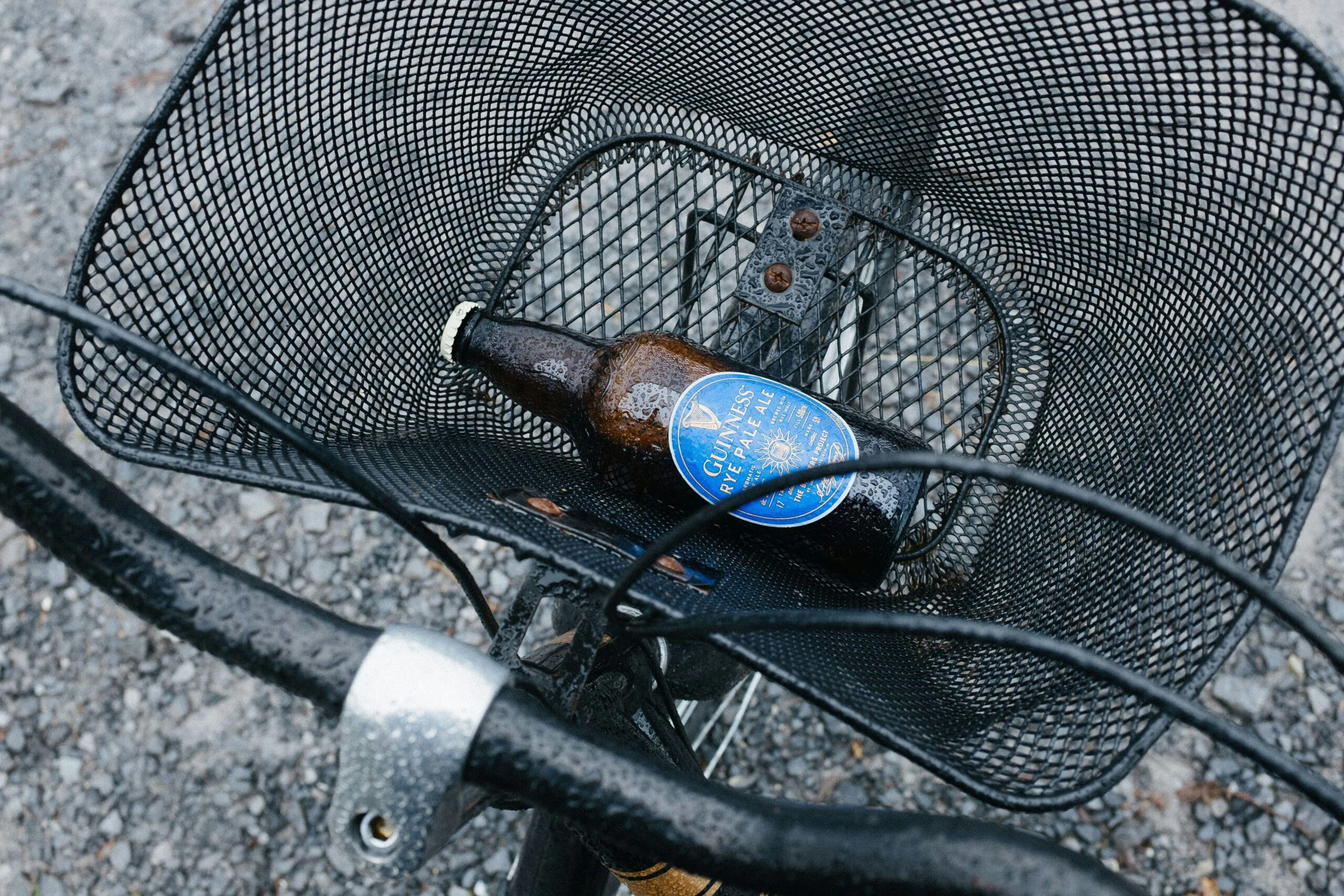
Riding drunk can still get you stopped, tested, and ticketed. Here’s what an officer can and can’t do at each point, whether or not your bicycle has electric assist:
- Pulling you over: Weaving across the road, running a red light, riding against the direction of traffic, or riding without lights after dark gives an officer reason to stop you, with no DWI suspicion needed.
- Field sobriety tests: These are voluntary, but New York courts let prosecutors use a refusal as evidence. Declining them is also not the same as refusing a chemical test.
- Breath and chemical tests: Only after a crash involving a bicycle with electric assist can an officer require a roadside breath test. If the results show alcohol, the officer can ask you to consent to a chemical test of your blood, breath, urine, or saliva within two hours. Implied-consent laws revoke a driver’s license for at least one year for refusing a chemical test, but they cover only motor vehicle drivers, and VTL § 1242-a adds no refusal penalty of its own.
- The document you walk away with: It could be a traffic ticket, a criminal court summons, or, after an arrest, a desk appearance ticket. A summons or desk appearance ticket requires you to appear in the Criminal Court of the City of New York, in the borough where it was issued.
Plan ahead to avoid legal trouble: take public transportation or a rideshare home after drinking.
Talk to an Attorney About Your Bicycle Stop
If you were injured in a crash, your personal injury claim is separate from the summons, but the two can affect each other. An insurer may use your drinking as evidence of comparative fault. Under New York’s pure comparative negligence rule, any fault assigned to you reduces your recovery rather than barring your claim.
Bicycle Accident Lawyers Group (BALG) handles the injury side: we investigate the crash, gather evidence, and push back when an insurer blames intoxication. Criminal defense attorneys handle the charge itself.
If you need help with a bicycle accident claim, call us at (888) 521-6377 or use the contact form for a free case review. BALG works on contingency, so you pay no attorney’s fees unless we win the case.

Robert Goldwater is a cyclist representing cyclists. He has practiced personal injury and wrongful death law for more than 20 years, graduating with Honors from Arizona State University Law School, and has helped recover over $1 billion for clients, including injured cyclists.